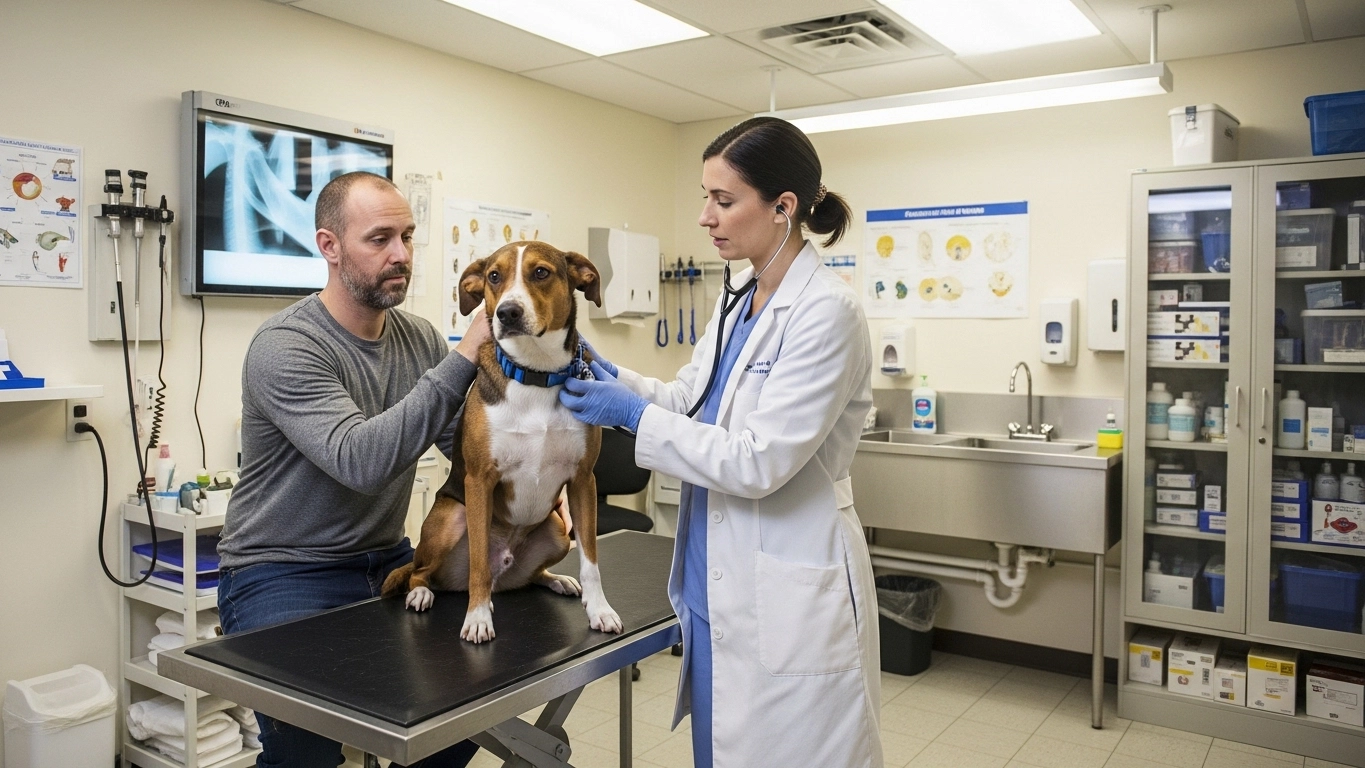
When your pet isn’t feeling well, waiting days for answers can feel overwhelming. That’s where in-house veterinary lab testing makes a huge difference. At Oasis Pet Clinic in Fullerton, having on-site diagnostic capabilities means faster results, quicker treatment decisions, and better outcomes for your pet.
Whether your pet needs routine screening, diagnostic testing for symptoms, or monitoring of an ongoing condition, in-house lab testing plays a critical role in modern veterinary medicine. Understanding how it works — and why it matters — can help you make more informed decisions about your pet’s health.
What Is In-House Veterinary Lab Testing?
In-house laboratory testing refers to diagnostic tests performed directly at the veterinary clinic rather than being sent to an outside lab. This includes bloodwork, urinalysis, parasite testing, infectious disease screening, and other essential diagnostics.
Because results are processed onsite, veterinarians can often review them the same day — sometimes within minutes. This is especially important when pets are sick, injured, or experiencing symptoms that require immediate answers.
Many pets receiving preventive care, such as routine wellness exams, also benefit from baseline lab testing to detect issues early.
Learn more about the comprehensive diagnostics offered through our in-house laboratory services today.
Why Fast Diagnostic Results Matter
Pets can’t tell us what’s wrong, and symptoms are often subtle. Quick access to lab results allows veterinarians to:
- Confirm diagnoses faster
- Start treatment sooner
- Reduce unnecessary medications
- Monitor chronic conditions more effectively
- Provide peace of mind for pet owners
When a pet is experiencing vomiting, lethargy, weight loss, or unusual behavior, waiting several days for external lab results can delay care. In-house testing helps eliminate that uncertainty.
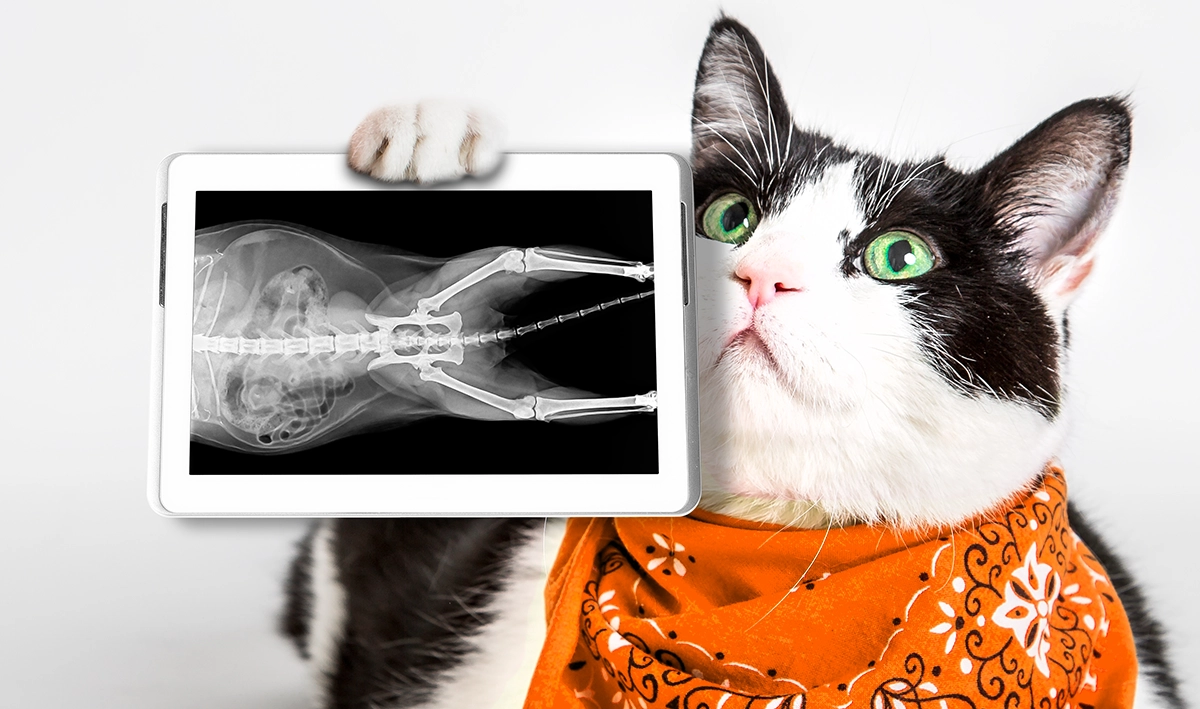
In urgent situations, lab results may also complement imaging tools like digital X-rays. For example, if a veterinarian detects an abnormality through radiography imaging, lab testing helps confirm underlying causes such as infection, organ dysfunction, or metabolic issues.
Common Types of In-House Lab Tests for Pets
Modern veterinary clinics offer a wide range of diagnostic testing on-site. Some of the most common include:
Blood Chemistry Panels
These evaluate organ function, including the liver, kidneys, pancreas, and electrolyte balance. They’re essential for detecting disease early and monitoring treatment progress.
Complete Blood Count (CBC)
A CBC measures red blood cells, white blood cells, and platelets. It helps identify infections, anemia, inflammation, and immune system issues.
Urinalysis
Urine testing helps diagnose urinary tract infections, kidney disease, diabetes, and hydration status.
Parasite Screening
Testing for intestinal parasites, heartworms, fleas, and ticks is critical for preventive care and protecting overall health.
Infectious Disease Testing
Rapid testing for conditions such as parvovirus, feline leukemia, and other illnesses helps veterinarians take immediate action.
These diagnostic tools allow for quicker decisions and personalized treatment plans tailored to each pet’s needs.
How In-House Lab Testing Supports Preventive Care
Preventive care is one of the biggest advantages of on-site diagnostics. Routine screening can detect diseases before symptoms appear, leading to earlier intervention and better long-term outcomes.
For example:
- Early kidney disease can be detected through bloodwork
- Thyroid imbalances may show before noticeable symptoms
- Diabetes can be identified through glucose testing
- Parasites can be treated before they cause complications
Many of these tests are incorporated into annual wellness exams, helping keep pets healthier as they age.
When Your Pet Might Need Diagnostic Lab Testing
While annual screening is beneficial, certain symptoms may indicate a need for immediate diagnostic testing:
- Persistent vomiting or diarrhea
- Sudden lethargy or weakness
- Changes in appetite or drinking habits
- Weight loss or unexplained weight gain
- Frequent urination or accidents
- Skin issues, infections, or inflammation
- Behavioral changes
These signs don’t always indicate serious illness, but testing helps rule out underlying conditions quickly.
Combining Lab Testing with Other Diagnostics
Veterinary diagnostics rarely rely on a single test. Instead, veterinarians use a combination of tools to form a complete picture of your pet’s health.
For example:
- Lab work may confirm abnormalities seen on X-rays
- Imaging may identify structural issues that lab tests explain
- Physical exams guide which tests are most appropriate
This integrated approach ensures accurate diagnoses and effective treatment planning.
Benefits for Senior Pets and Chronic Conditions
Older pets often require more frequent monitoring to maintain quality of life. In-house lab testing makes it easier to track conditions such as:
- Kidney disease
- Arthritis medication effects
- Heart conditions
- Diabetes
- Thyroid disorders
Regular monitoring helps adjust treatment plans before problems escalate. Early intervention can significantly extend both lifespan and comfort.
Peace of Mind for Pet Owners
One often overlooked benefit of in-house testing is emotional reassurance. Waiting days for lab results can cause unnecessary stress for pet owners.
Same-day diagnostics mean:
- Faster answers
- Less anxiety
- Immediate care plans
- More confidence in your pet’s treatment
Knowing your veterinarian has the tools to diagnose quickly builds trust and strengthens the care relationship.
How Oasis Pet Clinic Supports Diagnostic Excellence
At Oasis Pet Clinic in Fullerton, we prioritize comprehensive diagnostics because they directly impact patient outcomes.
Our approach includes:
- Modern in-house laboratory equipment
- Integrated imaging and diagnostic capabilities
- Experienced veterinary professionals
- Personalized treatment recommendations
- Compassionate, low-stress care for pets
Whether your pet needs routine screening, illness diagnosis, or ongoing monitoring, our team is committed to delivering efficient, accurate care.
When to Schedule Lab Testing for Your Pet
Consider scheduling diagnostic testing if:
- Your pet shows new symptoms
- It’s time for an annual exam
- You’re monitoring an existing condition
- Your veterinarian recommends follow-up testing
Early detection is always easier — and often more affordable — than treating advanced disease.
If you have concerns about your pet’s health or want proactive screening, our team is here to help. Contact us today to schedule an appointment.
Final Thoughts
In-house laboratory testing has transformed veterinary medicine by making diagnosis faster, treatment more precise, and preventive care more effective. For pet owners in Fullerton, having access to modern diagnostic services locally means better care without unnecessary delays.
From routine wellness screenings to urgent medical evaluations, onsite lab testing helps ensure your pet receives timely, accurate care every step of the way.
If you want peace of mind about your pet’s health, diagnostic testing is one of the most valuable tools available — and one of the best investments you can make in their long-term well-being.