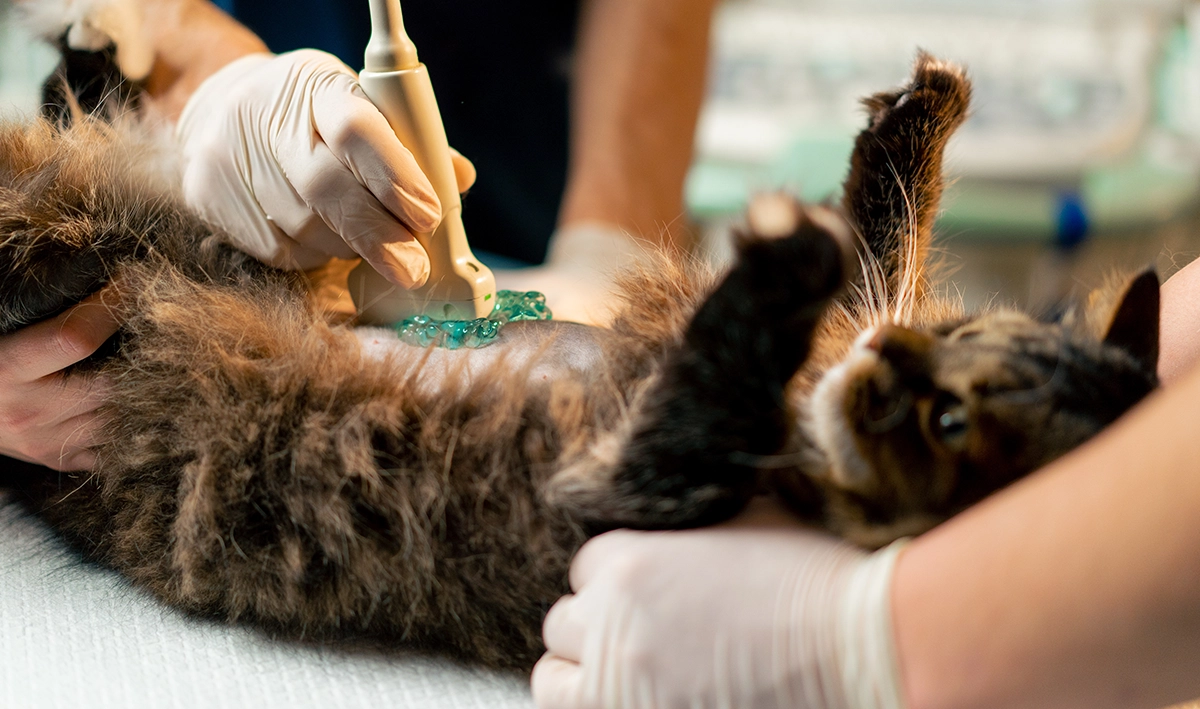

As pets age, their nutritional needs change significantly. The food and feeding habits that worked well during adulthood may no longer provide the ideal balance of nutrients needed to support healthy aging. Understanding senior pet nutrition is one of the most important ways pet owners can help their dogs and cats maintain a high quality of life during their golden years.
Whether you have an aging dog or an older cat, proper nutrition can help support mobility, healthy body weight, organ function, immune health, and overall well-being. For families seeking guidance on senior pet nutrition in Fullerton, veterinary recommendations can play a critical role in developing an individualized plan that supports long-term health.
At Oasis Pet Clinic, we help pet owners navigate every stage of aging pet care through wellness exams, preventive care, nutritional guidance, and ongoing health monitoring.
Why Nutrition Becomes More Important as Pets Age
Senior pets often experience physical and metabolic changes that affect how their bodies process nutrients. While aging itself is not a disease, it can increase the risk of certain health conditions that require nutritional adjustments.
Proper senior pet nutrition helps support:
- Healthy weight management
- Joint mobility
- Digestive health
- Cognitive function
- Immune system support
- Kidney and liver health
- Overall senior pet wellness
By making proactive dietary adjustments, pet owners can help support healthier aging and improve the quality of life.
How Aging Affects Pet Nutrition
Slower Metabolism
Many senior pets become less active as they age. Reduced activity levels often lead to lower calorie requirements.
Without dietary adjustments, older pets may gain excess weight, which can place additional stress on joints and increase the risk of chronic disease.
Joint Health Concerns
Arthritis and joint disease are common among aging pets. Nutritional support can help promote comfort and mobility while reducing inflammation.
Digestive Changes
Older pets may experience slower digestion, reduced nutrient absorption, or increased food sensitivities. Easily digestible diets may help support gastrointestinal health.
Weight Management Challenges
Some senior pets gain weight, while others struggle to maintain muscle mass. Regular veterinary monitoring helps identify changes before they become serious health concerns.
Senior Pet Nutrition in Fullerton: Supporting Healthy Aging
For families researching senior pet nutrition, Fullerton veterinarians often recommend individualized feeding strategies based on breed, activity level, medical history, and age-related health concerns.
No two pets age exactly the same way. Some senior dogs require calorie reduction and weight management support, while others benefit from increased protein intake to maintain lean muscle mass. Likewise, senior cats often have unique hydration and kidney health considerations that influence nutritional recommendations.
Working with a veterinarian helps ensure your pet receives the nutrients needed to support healthy aging.
Best Nutritional Support for Senior Dogs
High-Quality Lean Proteins
Senior dog nutrition should include high-quality protein sources that help maintain muscle mass while supporting overall health.
Adequate protein intake becomes increasingly important as dogs age and naturally lose muscle tissue.
Joint-Support Ingredients
Many senior dog nutrition formulas contain ingredients designed to support mobility and joint function, including:
- Glucosamine
- Chondroitin
- Omega-3 fatty acids
- Antioxidants
These nutrients may help support aging joints and improve comfort.
Dietary Fiber
Fiber can help promote digestive health while supporting healthy weight management in older dogs.
Hydration Support
Adequate hydration remains essential for organ function, digestion, and overall wellness. Senior dogs should always have access to clean, fresh water.
Best Nutritional Support for Senior Cats
Kidney Health Support
Kidney disease becomes more common as cats age. Nutritional adjustments may help support kidney function and overall health.
Increased Hydration
Senior cat nutrition often emphasizes hydration due to cats’ naturally low thirst drive.
Many veterinarians recommend incorporating wet food into feeding routines to help increase moisture intake.
Balanced Protein Intake
Cats require high-quality protein throughout life. However, protein recommendations may vary depending on underlying health conditions.
Appetite Support
Some older cats experience reduced appetite due to dental issues, illness, or age-related changes. Monitoring food intake becomes increasingly important as cats age.
Common Senior Pet Nutrition Problems
Obesity
Excess weight is one of the most common health concerns affecting senior pets.
Obesity can contribute to:
- Arthritis progression
- Diabetes
- Cardiovascular strain
- Reduced mobility
Unexplained Weight Loss
Weight loss in older pets may indicate underlying medical conditions requiring veterinary evaluation.
Arthritis and Mobility Issues
Joint disease can affect activity levels, making nutritional support an important component of comprehensive care.
Diabetes
Some senior pets develop diabetes, requiring dietary adjustments and ongoing monitoring.
Dental Disease
Dental issues may affect appetite, chewing ability, and overall nutritional intake.
The Importance of Regular Wellness Exams
Proper nutrition works best when combined with routine veterinary monitoring.
Through regular wellness exams, veterinarians can:
- Monitor body weight
- Evaluate body condition
- Review nutritional needs
- Assess mobility
- Track chronic disease progression
- Recommend dietary adjustments
Routine evaluations help ensure senior pet health concerns are identified and addressed early.
Bloodwork and Chronic Disease Monitoring
Many age-related diseases develop gradually and may not cause noticeable symptoms initially.
Routine bloodwork helps veterinarians monitor:
- Kidney function
- Liver function
- Blood sugar levels
- Thyroid health
- Organ performance
Early detection often improves treatment options and long-term outcomes.
Warning Signs Your Senior Pet Needs Veterinary Attention
Changes in behavior, appetite, or physical condition should never be ignored.
Contact your veterinarian if your pet experiences:
Appetite Changes
Loss of appetite or significant increases in hunger may indicate underlying health concerns.
Increased Thirst
Excessive drinking can sometimes signal diabetes, kidney disease, or hormonal disorders.
Vomiting or Digestive Issues
Persistent digestive symptoms warrant veterinary evaluation.
Weight Changes
Unexpected weight gain or weight loss should be investigated promptly.
Low Energy
Reduced activity levels, lethargy, or behavioral changes may indicate medical problems requiring attention.
Aging Pet Care Requires More Than Nutrition
While nutrition plays a vital role, comprehensive aging pet care involves multiple components working together to support overall health.
Effective senior pet wellness plans often include:
- Regular exercise
- Weight management
- Preventive healthcare
- Diagnostic testing
- Pain management
- Nutritional monitoring
- Veterinary wellness visits
Combining these strategies can help improve comfort, mobility, and quality of life.
Preventive Care for Senior Pets
Comprehensive preventive care remains important throughout a pet’s life, including during the senior years.
Preventive care may include:
- Wellness exams
- Vaccinations
- Parasite prevention
- Bloodwork
- Nutritional evaluations
- Chronic disease monitoring
Routine preventive care helps veterinarians identify developing health concerns before they become more advanced.
Personalized Nutrition Guidance for Dogs and Cats
Senior pets often benefit from individualized dietary recommendations rather than one-size-fits-all feeding approaches.
Whether your pet needs support with weight management, arthritis, kidney health, digestive concerns, or appetite changes, veterinarian nutrition advice can help create a feeding plan tailored to their specific needs.
Our team provides nutritional support for both dogs and cats throughout every stage of life.
Why Fullerton Pet Owners Trust Oasis Pet Clinic
Families throughout Fullerton trust Oasis Pet Clinic because we focus on preventive medicine, education, and personalized care.
Our veterinary team helps pet owners navigate:
- Senior dog nutrition
- Senior cat nutrition
- Aging pet care
- Weight management
- Chronic disease monitoring
- Senior pet wellness
- Long-term senior pet health
By combining nutritional guidance with comprehensive veterinary care, we help pets maintain healthier, more comfortable lives as they age.
Frequently Asked Questions
What age is considered senior for dogs?
Most dogs are considered senior between seven and ten years of age, depending on breed and size.
What age is considered senior for cats?
Cats are generally considered senior around ten years of age, although individual aging patterns vary.
Should senior pets eat special food?
Many senior pets benefit from diets specifically formulated to address age-related nutritional needs and health concerns.
How often should senior pets visit the veterinarian?
Most senior pets benefit from veterinary evaluations every six months, although recommendations vary based on health status.
What are the signs of aging in pets?
Common signs include reduced activity, weight changes, stiffness, increased sleeping, vision changes, and appetite fluctuations.
Schedule a Senior Pet Wellness Exam at Oasis Pet Clinic
Proper nutrition plays an important role in helping pets age comfortably and maintain a high quality of life. Whether you need guidance on senior dog nutrition, senior cat nutrition, or personalized veterinarian nutrition advice, our team is here to help.
Ready to support your pet’s long-term health? Schedule an appointment today and learn how customized senior pet wellness plans can help your companion thrive.