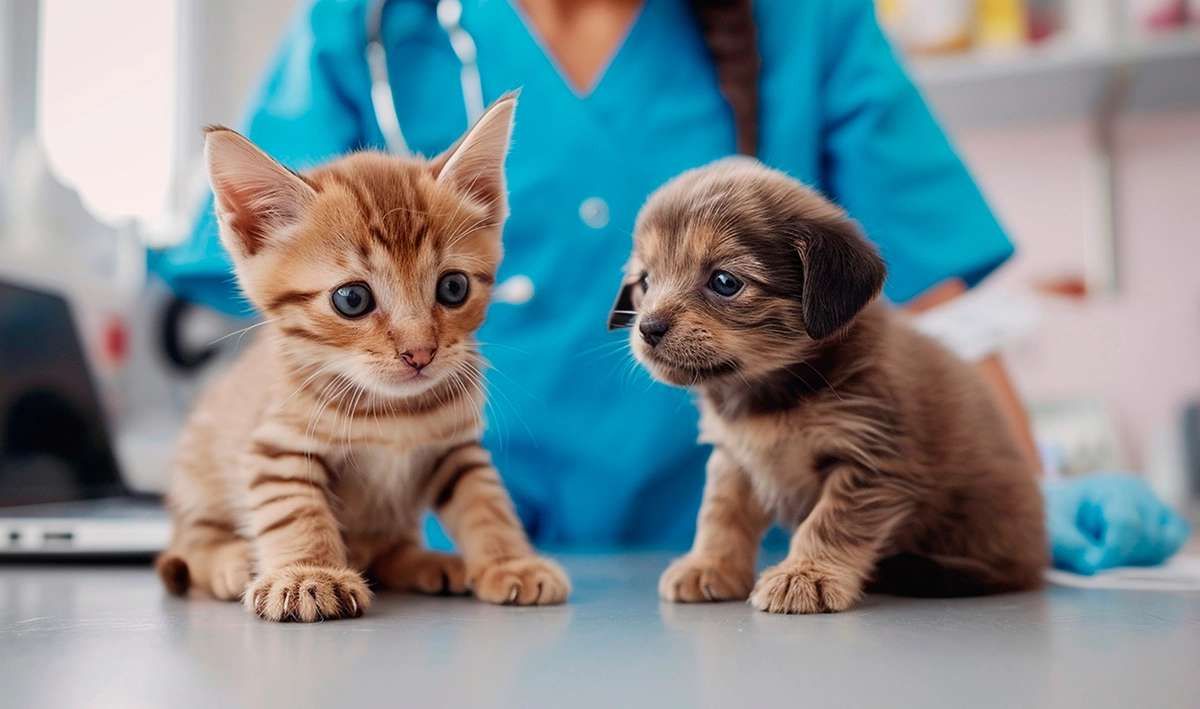
Ear infections in dogs and cats can cause itching, head shaking, redness, unpleasant odors, discharge, and significant discomfort. Although ear infections are more common in dogs, cats can also develop painful ear problems caused by bacteria, yeast, ear mites, allergies, or other underlying conditions.
At Oasis Pet Clinic in Fullerton, CA, our veterinary team helps pet owners identify the causes of ear irritation, diagnose infections, and determine appropriate treatment. Whether your dog keeps shaking its head or your cat has dark ear discharge, understanding the warning signs can help you seek veterinary care before the problem worsens.
What Are the Common Signs of Ear Infections in Dogs and Cats?
An ear infection often involves inflammation of the external ear canal, a condition known as otitis externa. Symptoms can develop gradually or appear suddenly, depending on the underlying cause.
Common signs of an ear infection include:
- Frequent head shaking or head tilting
- Scratching or rubbing the ears
- Redness or swelling inside the ear
- Brown, yellow, or dark-colored discharge
- Unpleasant odor coming from the ears
- Pain when the ears are touched
- Excessive earwax or crusting
- Sensitivity around the head
- Changes in behavior due to discomfort
Some pets develop infections in one ear, while others experience problems in both ears.
Dog Ear Infection Symptoms
Dogs with ear infections commonly shake their heads, scratch their ears, or rub their faces against furniture and carpeting. You may notice redness, discharge, or a strong odor when lifting the ear flap.
Dogs with floppy ears, narrow ear canals, excessive ear hair, or chronic skin problems may be more susceptible to ear inflammation.
Cat Ear Infection Symptoms
Cats may show more subtle symptoms, including increased ear scratching, head shaking, dark debris inside the ears, or avoiding contact around the head.
Ear mites are an important cause of ear irritation in cats, particularly kittens and cats exposed to infected animals. However, dark discharge does not automatically mean your cat has ear mites. Yeast, bacteria, and other conditions can produce similar symptoms.
If your dog or cat has persistent ear discomfort, unusual discharge, or a strong ear odor, schedule a veterinary examination rather than attempting to diagnose the problem at home.
What Causes Ear Infections in Dogs and Cats?
Ear infections can develop for several reasons. In many cases, inflammation or changes in the ear canal allow bacteria or yeast to multiply, creating additional irritation.
Identifying the underlying cause is essential because different ear conditions require different treatment approaches.
Bacterial Ear Infections
Bacteria normally exist on the skin and within the external ear canal. When the ear becomes inflamed or its normal environment changes, certain bacteria can multiply excessively.
Bacterial ear infections may cause redness, pain, swelling, discharge, and an unpleasant odor.
Yeast Ear Infections
Yeast, particularly Malassezia, can contribute to ear infections in dogs and cats. Excessive yeast growth is often associated with inflammation, allergies, or changes in the ear canal environment.
Symptoms may include itching, greasy or waxy discharge, redness, and odor.
Because bacterial and yeast infections can look similar, microscopic examination of ear debris helps veterinarians distinguish between them.
Ear Mites
Ear mites are microscopic parasites that live in the ear canal and can cause intense irritation. They are especially common in kittens and cats, although dogs can also become infected.
Pets with ear mites may develop dark, crumbly discharge resembling coffee grounds, frequent scratching, and head shaking.
Ear mites can spread between animals, so other pets in the household may also need evaluation.
Moisture and Ear Anatomy
Moisture trapped in the ear canal can contribute to an environment where microorganisms multiply. Dogs that swim frequently or have ears that retain moisture may be more prone to irritation.
Anatomical factors, including narrow ear canals, heavy ear flaps, and excessive hair, can also make some dogs more susceptible to recurring problems.
Foreign Material and Other Underlying Conditions
Grass awns, foxtails, and other foreign material can become lodged in the ear canal, causing sudden pain, inflammation, and sometimes secondary infection.
Other potential contributors include ear canal growths, polyps, hormonal disorders, and chronic inflammatory skin conditions.
A veterinarian can determine whether an infection is present and investigate what caused the ear problem.
How Do Allergies Contribute to Recurring Ear Infections?
Allergies are one possible underlying cause of chronic ear inflammation, particularly in dogs.
Environmental allergens and certain food allergies can contribute to inflammation of the skin lining the ear canal. When that inflammation persists, the ear’s normal protective environment can change, allowing bacteria or yeast to multiply.
Signs that allergies may be contributing to recurring ear problems include:
- Ear infections that repeatedly return after treatment
- Itching affecting the ears, paws, face, or belly
- Red or irritated skin
- Seasonal patterns of ear discomfort
- Chronic inflammation involving both ears
- Ear problems accompanied by other skin symptoms
Not every recurring ear infection is caused by allergies. However, when ear inflammation occurs alongside persistent itching or skin irritation, investigating an allergic component may be appropriate.
Oasis Pet Clinic provides pet allergy treatment in Fullerton for dogs and cats with suspected environmental, food-related, and other allergic conditions.
Why Do Ear Infections Keep Coming Back?
Recurring ear infections are often a sign that an underlying issue has not been fully resolved.
Treating the immediate bacterial or yeast overgrowth may relieve symptoms, but the problem can return if the original cause of inflammation remains.
Common reasons ear infections recur include:
- Uncontrolled allergies
- Persistent moisture or anatomical factors
- Incomplete resolution of an earlier infection
- Resistant or difficult-to-treat microorganisms
- Foreign material remaining in the ear canal
- Chronic changes to the ear canal
- Middle ear disease
- Other underlying medical conditions
Repeated inflammation can also cause the ear canal to thicken and narrow, making future infections more difficult to manage.
Why Identifying the Underlying Cause Matters
A dog that repeatedly develops ear infections may need more than another course of ear medication. Likewise, a cat with persistent discharge may require evaluation for mites, polyps, or other causes.
Veterinarians may recommend additional diagnostic testing, reassessment of the eardrum, or evaluation of contributing skin and medical conditions.
The goal is not simply to make the symptoms disappear temporarily, but to identify the factors allowing the problem to return.
How Does a Veterinarian Diagnose an Ear Infection?
Diagnosing an ear infection involves more than looking for redness or discharge. Veterinarians examine the ear canal, assess the symptoms, and may collect samples to identify microorganisms or parasites.
At Oasis Pet Clinic, the diagnostic approach is based on your pet’s medical history, symptoms, and examination findings.
Physical Examination and Medical History
Your veterinarian may ask when symptoms began, whether one or both ears are affected, whether infections have occurred before, and whether your pet has other skin or health concerns.
The examination may include checking the outer ears, surrounding skin, and ear canal for inflammation, swelling, pain, or visible abnormalities.
Otoscopic Examination
An otoscope allows the veterinarian to examine the ear canal and, when visible, the eardrum.
This can help identify excessive debris, swelling, foreign objects, masses, or signs that deeper ear structures may be affected.
Severe discomfort or swelling may limit how thoroughly the ear can be examined during the initial visit.
Ear Cytology and Microscopic Testing
Ear cytology involves collecting a small sample of material from the ear canal and examining it under a microscope.
This helps identify bacteria, yeast, inflammatory cells, and certain other abnormalities.
When indicated, additional testing may be recommended to investigate persistent or recurrent infections.
Oasis Pet Clinic’s in-house laboratory testing supports diagnostic evaluation, including microscopic analysis. Your veterinarian can determine which tests are appropriate for your pet’s ear condition.
Additional Testing for Chronic Ear Problems
For complicated or recurring cases, veterinarians may recommend bacterial culture and susceptibility testing, further investigation of underlying conditions, or advanced imaging when middle ear disease is suspected.
Not every pet requires extensive testing. The diagnostic plan depends on the severity, duration, and history of the ear problem.
How Are Ear Infections Treated in Dogs and Cats?
Treatment for dog and cat ear infections depends on the cause, severity, and condition of the ear canal and eardrum. There is no single treatment that works for every ear problem.
After examining your pet, a veterinarian may recommend one or more approaches.
Veterinary Ear Cleaning
Careful cleaning can help remove accumulated debris and discharge, allowing the ear canal to be evaluated and treated more effectively.
The type of cleaning solution and technique must be appropriate for the condition of the ear, particularly if the eardrum may be damaged.
Medications for Bacterial or Yeast Infections
When testing identifies bacterial or yeast overgrowth, veterinarians may prescribe appropriate ear medications.
The choice of treatment depends on the microorganisms involved, the degree of inflammation, and whether the eardrum is intact.
Ear Mite Treatment
When ear mites are identified, treatment generally involves an appropriate antiparasitic medication. Other animals in the household may need evaluation because mites can spread between pets.
Managing Underlying Conditions
For pets with chronic or recurring infections, addressing contributing factors is important.
This may involve managing allergies, investigating ear canal abnormalities, removing foreign material, or evaluating other medical conditions.
Follow-Up Examinations
Some ear infections require follow-up visits to confirm that inflammation and microbial overgrowth have resolved.
A pet may appear more comfortable before the infection has fully cleared, so follow-up recommendations should be followed even when symptoms improve.
Avoid using leftover ear medications, human ear drops, hydrogen peroxide, or home remedies without veterinary guidance. Some substances can irritate the ear or cause complications, especially if the eardrum is damaged.
What Happens if an Ear Infection Goes Untreated?
Untreated ear infections can cause ongoing pain, itching, and inflammation. In some cases, complications develop as the condition progresses.
Potential consequences include:
- Chronic ear canal inflammation
- Thickening or narrowing of the ear canal
- Persistent discharge and discomfort
- Damage to the eardrum
- Infection or inflammation involving the middle or inner ear
- Hearing impairment
- Balance problems
- Increased difficulty treating future infections
Severe or longstanding infections may require more involved treatment than infections identified early.
A pet that develops a pronounced head tilt, loss of balance, abnormal eye movements, or facial weakness needs prompt veterinary evaluation because these signs may indicate deeper ear disease or another neurological condition.
When Should You Take Your Dog or Cat to the Vet for an Ear Infection?
Schedule a veterinary examination if your pet develops persistent head shaking, scratching, ear odor, discharge, redness, swelling, or pain.
Even when symptoms appear mild, an examination can help distinguish an infection from mites, allergies, foreign material, or another problem.
Signs That Require Prompt Veterinary Attention
Seek prompt care if your dog or cat experiences:
- Severe ear pain
- Sudden swelling of the ear flap
- Bloody or pus-like discharge
- A foreign object suspected inside the ear
- Significant lethargy or fever
- Sudden hearing changes
- Repeated infections that do not resolve
Sudden loss of balance, pronounced head tilt, abnormal eye movements, facial weakness, or inability to stand warrants urgent evaluation. These signs can indicate a serious condition that should not wait for a routine appointment.
For pets without urgent symptoms, ear health can also be discussed during a wellness exam to identify developing concerns and review appropriate ear-care practices.
Can Ear Infections in Dogs and Cats Be Prevented?
Not every ear infection is preventable, particularly when allergies, anatomy, or chronic medical conditions contribute to inflammation. However, appropriate ear care can help reduce avoidable irritation.
Practical Ear Care Tips
- Check your pet’s ears regularly for redness, odor, or unusual discharge.
- Keep ears appropriately dry after bathing or swimming.
- Use only veterinarian-recommended ear cleaning products.
- Avoid inserting cotton swabs deep into the ear canal.
- Follow veterinary recommendations for pets with recurring infections.
- Seek evaluation when symptoms return rather than repeatedly using old medications.
Pets with a history of ear problems may benefit from individualized cleaning and monitoring recommendations.
Overcleaning can also irritate healthy ears, so routine cleaning frequency should be based on your pet’s needs rather than a universal schedule.
Frequently Asked Questions About Dog and Cat Ear Infections
How can I tell if my dog has an ear infection?
Common dog ear infection symptoms include head shaking, ear scratching, redness, discharge, unpleasant odor, and discomfort when the ears are touched. A veterinary examination is needed to confirm whether an infection is present and identify the cause.
What does a cat ear infection look like?
Cats with ear infections may have dark or excessive ear discharge, redness, scratching, head shaking, or sensitivity around the ears. Ear mites are one possible cause, but bacterial and yeast infections and other conditions can produce similar signs.
Can a dog ear infection go away on its own?
Ear irritation may occasionally improve if a temporary trigger resolves, but a suspected infection should not be left untreated without veterinary guidance. Persistent inflammation or microbial overgrowth can worsen and lead to complications.
Why does my dog’s ear infection keep coming back?
Recurring infections may be associated with allergies, ear anatomy, moisture, resistant microorganisms, chronic inflammation, or underlying ear disease. Identifying and managing the contributing cause is important for reducing recurrence.
Are ear infections in cats contagious?
Most bacterial and yeast ear infections are not directly contagious between pets. However, ear mites are contagious and can spread through close contact with infected animals.
Can allergies cause ear infections in dogs?
Yes. Allergies can contribute to inflammation of the ear canal, creating conditions that allow yeast or bacteria to multiply. Dogs with recurring ear infections and other skin symptoms may benefit from an evaluation for underlying allergies.
What is the difference between a yeast and bacterial ear infection?
Both can cause itching, redness, discharge, and odor. Their symptoms often overlap, so veterinarians commonly use ear cytology to identify which microorganisms are present and guide treatment.
Can I clean my pet’s ears at home if they seem infected?
Avoid cleaning a painful or inflamed ear until your veterinarian advises you on the appropriate approach. Certain cleaning solutions may worsen irritation or cause complications if the eardrum is damaged.
How long does it take for a dog or cat ear infection to heal?
Recovery time varies based on the cause and severity of the infection. Some uncomplicated cases improve within days of appropriate treatment, while chronic or deeper infections may require several weeks or longer. Follow-up testing may be needed to confirm resolution.
When is an ear infection an emergency?
Severe pain, sudden loss of balance, pronounced head tilt, abnormal eye movements, facial weakness, or inability to stand requires urgent veterinary evaluation. These symptoms can indicate middle or inner ear involvement or another serious medical problem.
Where can I get my dog or cat checked for an ear infection in Fullerton?
Oasis Pet Clinic in Fullerton, CA provides veterinary examinations and diagnostic services for dogs and cats experiencing ear irritation, discharge, recurring infections, and other ear-related concerns. Contact the clinic to schedule an appointment.
Get Help for Your Pet’s Ear Infection at Oasis Pet Clinic in Fullerton
Ear infections can be uncomfortable and frustrating, especially when symptoms keep returning. Identifying whether the problem involves bacteria, yeast, ear mites, allergies, or another underlying condition is an important part of choosing effective treatment.
At Oasis Pet Clinic in Fullerton, our veterinary team provides individualized examinations and diagnostic guidance for dogs and cats experiencing ear discomfort, inflammation, discharge, and recurring ear problems.
If your pet is scratching its ears, shaking its head, or showing signs of an ear infection, contact Oasis Pet Clinic to schedule an examination.